Advancing patient-centered medical publications through publication extenders

Woman sitting back working on laptop

Strengthening scientific communication with inclusive, accessible tools 

At ISMPP 2025, a clear imperative emerged: the future of medical publications reporting must be more inclusive, accessible, and patient-centered. Central to this shift are publication extenders – tools such as plain lay summaries of publication (PLSPs), graphic or video abstracts, and podcasts designed to translate peer-reviewed content into formats that resonate with non-specialist audiences.

With respect to PLSPs, although awareness of them is growing, their adoption remains limited due to underinvestment by journals and publishers, lack of standardized development approaches, and limited author experience. With greater attention to inclusive and patient-centered communication, publication extenders play a growing role in expanding the reach of scientific publications.

Key barriers to effective implementation 

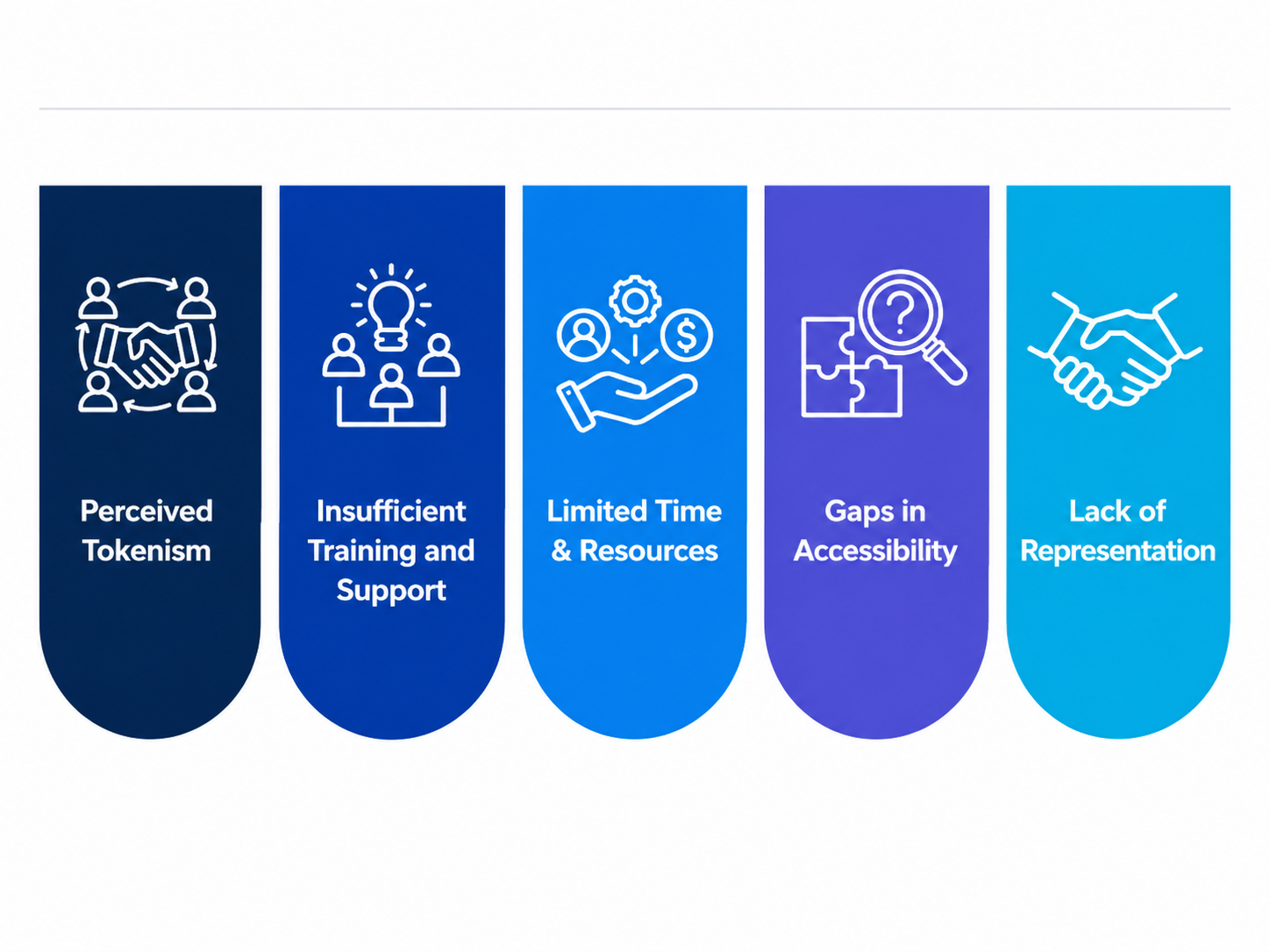
Several factors are limiting the meaningful adoption of publication extenders within the medical publishing ecosystem:

Perceived Tokenism

  • Patients may lack trust in members of the medical/scientific community. Authentic collaboration requires involvement from the beginning, focusing on shared ownership and meaningful contribution.

Insufficient Training and Support

  • Many patients lack familiarity with the structure, purpose, and standards of medical publications. Equipping them with proper education and including them in initiatives such as developing guidelines and/or peer-reviewed research fosters stronger partnerships and more impactful outcomes.

Limited Time & Resources

  • The industry’s fast-paced environment and current publications workflows don’t always accommodate patients’ busy lives. Industry partners must be mindful of patients’ time and consider providing the appropriate compensation to build respect and trust.

Gaps in Accessibility

  • Differences in language, hearing or visual impairment, and platform usage can all limit the reach and utility of extenders. Publications must be intentionally designed (e.g., graphical abstracts, videos, podcasts, etc.) to help encourage equitable access to health resources and build trust between patients and other community members.

Lack of Representation

  • A small group of patient advocates is often repeatedly consulted, which may limit the diversity of perspectives. Broader outreach is needed to capture a wider range of experiences and ensure content resonates with diverse populations.

Resources and best practices to support progress

Several initiatives are underway to address these challenges:

  • The forthcoming ISMPP Publication Extenders Toolkit will provide best practices and standards for consistent development.
  • The PLS Finder – currently in funding stages – will serve as a publicly accessible database of PLSPs, enhancing discoverability and reach.
  • The soon-to-be-released ISMPP Patient Partnership Guiding Principles will offer a framework for building ethical, effective, and inclusive partnerships with patient contributors.

Our team remains closely attuned to this evolving field, ensuring alignment with emerging standards and best practices to deliver appropriate, innovative solutions that support meaningful progress.

A strategic imperative for publication professionals

For scientific publication teams, the opportunity is clear: develop communication strategies that reflect where and how patients consume information, whether on platforms like LinkedIn, Reddit, or Facebook, and that address their informational needs in a relevant, respectful, and empowering way.

When executed thoughtfully, publication extenders are not just communication supplements – they are strategic tools that enhance comprehension, improve health literacy, and elevate the societal impact of scientific research.

Our commitment

Acumetis helps life sciences teams reframe what’s possible in scientific communications by connecting scientific strategy, patient insight, medical communications expertise, and practical innovation. Our Publications Team works closely with patients, authors, and industry partners to co-create materials that are scientifically rigorous, accessible, inclusive, and built around the needs of the audiences they are intended to serve.

By integrating publication extenders early in the planning process, we help teams move beyond traditional dissemination and develop communication strategies that support comprehension, build trust, and increase the reach and relevance of peer-reviewed science. With senior expertise, outcome-driven thinking, and a commitment to meaningful patient engagement, Acumetis supports publication approaches that are both credible and achievable – helping scientific evidence resonate more clearly with patients, caregivers, healthcare professionals, and wider communities.

Download the report

Access industry insights, benchmarking data, and trends shaping patient services in 2026.

Learn more

"*" indicates required fields

Learn More

Meet the Experts:

Patrick Hillan
Patrick Hillan
Partner

Patrick Hillan has spent more than a decade working alongside Medical Affairs teams to shape medical strategy and enable meaningful engagement with HCPs through the design and facilitation of Medical Advisory Boards and Strategic Working Groups. He has experience across multiple therapeutic areas, with a particular focus on psychiatry and neurology, and has supported pre-launch Medical Affairs activities for therapies in Major Depressive Disorder, Postpartum Depression, Schizophrenia, Parkinson’s disease, Angelman syndrome, muscular dystrophies, and Alzheimer’s disease.

Chris Zealey
Chris Zealey
Partner

Chris has close to a decade of experience in medical strategy and strategic communications, with expertise in developing strategic scientific narratives and communication resources, cross-functional and medical strategy, stakeholder engagement and insight generation. His focus is serving as a strategic and scientific partner to organizations launching new therapies or entering new disease areas. Recently, his work has focused on various rare disease indication launches and in-line therapy strategic planning.

Talisa Silzer
Talisa Silzer
Manager, Publications

Talisa is a Publications Manager who helps clients translate complex clinical data and real-world evidence into clear scientific narratives, including abstracts, posters, manuscripts, whitepapers, and publication extenders. She has experience across rare and complex diseases and holds an MSc and PhD in Biomedical Science from the University of North Texas.